
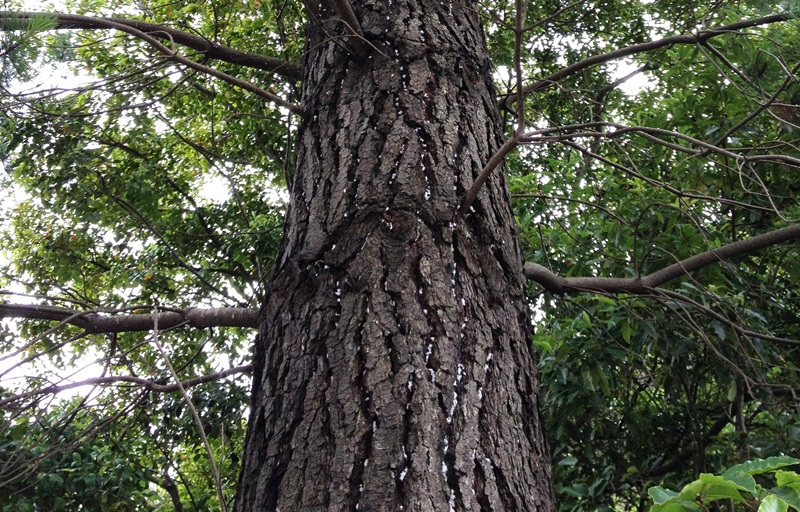
Imagine credits: Agriculture Victoria, Department of Energy, Environment and Climate Action (DEECA).
Upcoming works at Wilson Botanic Park Berwick
The City of Casey is continuing to take action to manage Giant Pine Scale (GPS) and protect Casey’s trees, parks and natural environment.
From Monday 5 October 2026, Council will begin the next phase of works under its GPS Management Plan at Wilson Botanic Park Berwick. The works will involve removing approximately 113 GPS-infected pine trees from three areas of the park to help slow the spread of this invasive pest and protect Casey’s urban forest for future generations.
The affected areas include:
- The eastern basalt cliff and adjoining slope (approximately 91 trees)
- Isolated trees in the northern section of the park, including the original infestation site (11 trees)
- Trees on the slope south and east of the playground (11 trees)
The works are expected to take around four weeks to complete, weather permitting.
Council understands the removal of trees can be disappointing for park users and the wider community. However, these works are a necessary part of managing a serious pest that threatens pine trees, biodiversity and the wider environment.
It is important to note that these tree removal works are separate from the Wilson Botanic Park Master Plan review, including any future discussions about overflow car parking. The removals have been planned for some time as part of Council's GPS Management Plan.
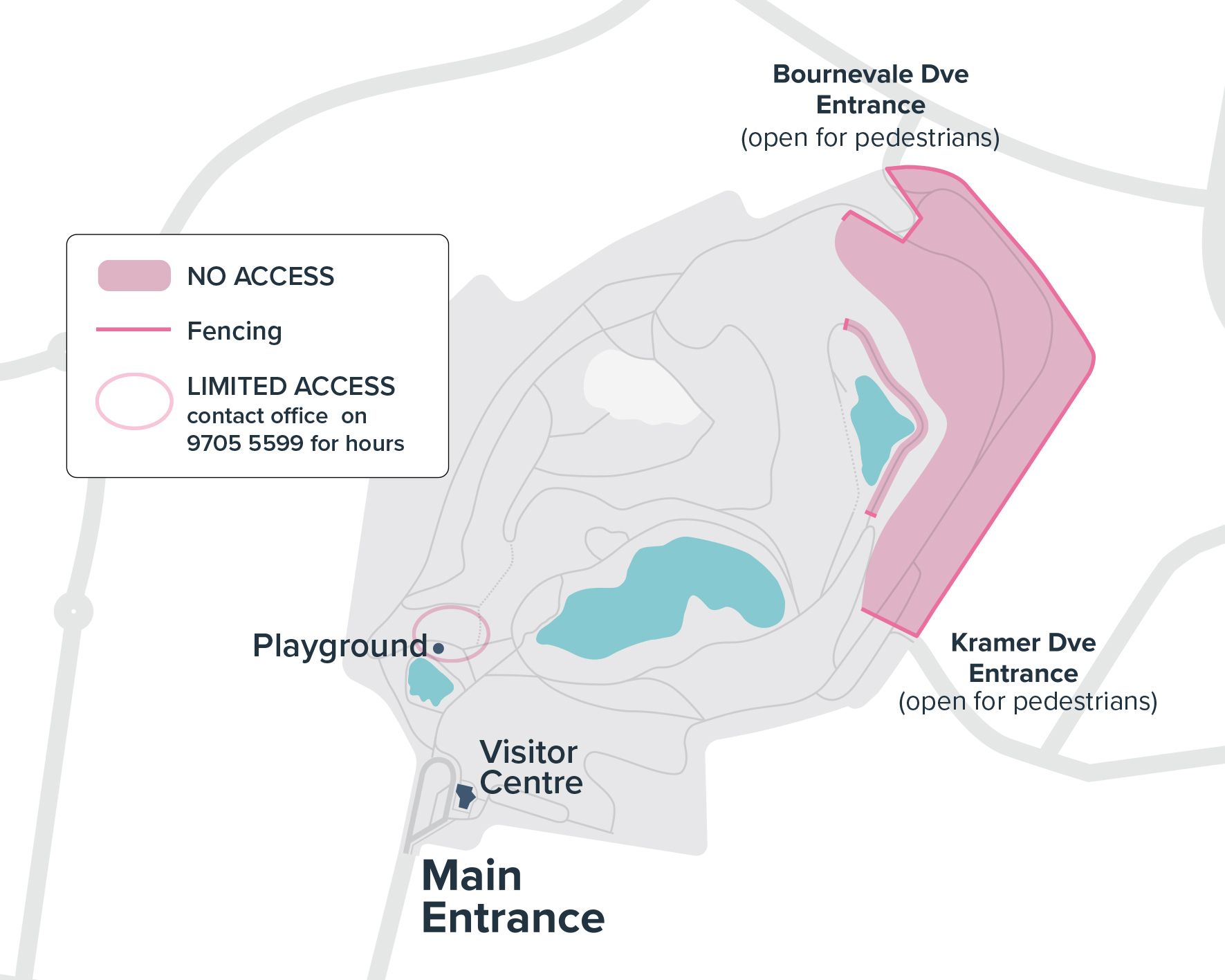
Temporary access changes
To ensure the safety of visitors, nearby residents and contractors, some areas of the park will be temporarily closed while works are underway.
During October, the eastern basalt cliff and slope area will be fenced and managed as an active work zone. Access to this area will not be permitted from within the park or from neighbouring private properties.
While works are underway:
- Some walking paths and park areas will be temporarily closed or detoured.
- Increased vehicle and machinery activity may occur within the park during work hours.
- Access via private gates or openings adjoining the park will not be permitted.
- Visitors must use the park's designated public entrances, including Kramer Drive, Bournevale Drive and the main entrance.
Please follow all fencing, signage and directions on site to help keep the community and work crews safe.
Previous GPS works
These works are the second phase of Council's GPS Management Plan.
In late 2025, Council removed GPS-infected pine trees along Princes Highway between Wilson Botanic Park and Lyall Road. The area has since been rehabilitated, with every removed tree being replaced.
A total of 174 new trees, along with additional understorey and mid-level vegetation, are being planted to improve biodiversity, shade and overall amenity. The replanting program includes a mix of indigenous and carefully selected exotic species, informed by community feedback and designed to create a healthy, resilient green corridor for the future.
Frequently asked questions
- What is Giant Pine Scale (GPS)?
GPS is a tiny insect that feeds primarily on pine trees, although it can also affect firs and spruces. It leaves a white, waxy coating on tree bark, weakens trees over time and can increase fire risk.
- Why is Council removing trees?
Council is removing pine trees infected with GPS as part of its ongoing GPS Management Plan. Expert advice indicates that removing heavily infested trees is currently the most effective way to slow the spread of the pest and reduce its long-term impact on Casey's urban forest.
- Is GPS harmful to people or pets?
No. GPS does not pose a risk to people or animals. The concern is the damage it causes to trees and the natural environment.
- Is removing trees the only way to manage GPS?
At present, removing heavily infested trees is the most effective management option. GPS has no known natural predators in Australia and there are currently no effective chemical treatments available.
- Will the trees be replaced?
Yes. Council is committed to restoring affected areas and will undertake revegetation and replacement tree planting when appropriate. The timing and design of future planting will consider the specific site conditions and long-term management of the area in accordance with the Wilson Botanic Park Master Plan.
- What will happen to the removed trees?
The trees will be mulched and safely quarantined to help prevent the spread of GPS. Once safe, the mulch will be reused within Wilson Botanic Park
- Are these works linked to the Wilson Botanic Park Master Plan review?
No. The tree removals are being undertaken as part of Council's GPS Management Plan and have been planned for some time. They are separate from the Master Plan review and any future discussions about park improvements or overflow car parking.
- Is GPS being managed anywhere else in Casey?
Yes. GPS has been identified in several areas across Casey, including Berwick, Narre Warren, Harkaway and Wilson Botanic Park. Council continues to monitor and manage infestations across the municipality in line with its GPS Management Plan.
- What should I do if I think a tree on my property is affected?
Look for white, cotton-like residue on trunks and branches. Suspected cases should be reported to Agriculture Victoria or the Exotic Plant Pest Hotline on 1800 084 881. Do not remove or move affected plant material.
- Where can I find more information?
For more information about Giant Pine Scale, visit the Agriculture Victoria website.